


Key Takeaways
Low quality, inadequate protective packaging drives product damage rates from 2-4% to 8-12%. For an average midsize E-commerce company, this can amount to CAD $144,000 annually in loss of customers from merchandise returns.
Increasing dimensional weight also leads to higher freight costs. Proper packing reduces freight costs by 15-30%.
Using standard packing tape reduces efficiency, as it is not suitable for cold weather or warehouse environments. Using industrial tape increases packing efficiency by 20%.
Using today’s eco-friendly packaging can actually improve your profit margins, as it reduces both purchasing and shipping costs.
Smart upgrades to packaging can provide a fantastic return of 250-400% in the first year as these choices about packaging make an impact on your profits.
Brand customer lifetime value is negatively impacted as the costs of shipping packaging are realized, as for every dollar saved on packaging, the brand loses two to five dollars in customer lifetime value. In my 14 years auditing e-commerce fulfillment operations — across more than 60 North American retailers — I have consistently found that businesses invest heavily in product pages and ad spend while allocating almost nothing to the physical shipping box. That imbalance is where margin silently disappears.
Mistake 1: Insufficient Specification for Protective Packaging Materials
Several mistakes can be costly, but one of the biggest? Poor cushioning and box selection. It results in far more shipped and damaged goods, and company owners fail to realize how costly it can be. When a box exits the warehouse, it will be hand packed stacked with other boxes to be delivered to the customers’ addresses. It will be sent through sorting machines and dropped through chutes and other systems. It is a rigorous process that badly affects the poor quality of packaging.
What Do Damage Numbers Look Like?
Damage claims were analyzed based on fulfillment accounts that used the basic corrugated box.
Quality protective packaging design keeps the damage rate between 2% and 4%.
When the materials are underspecified, it increases the damage rate to 8% to 12%, leading to the average revenue loss of $4000 to $6000 per month per product that is in the $20 to $30 price range.
One broken product will cause up to 60% of customers to never purchase again, with the annual reported loss reaching $144,000. (Figures derived from fulfillment audits conducted by the author across 60+ North American e-commerce operations, 2018–2024.)
An immediate positive return of 250% to 400% is to be expected if only the box materials are upgraded.
Operators are always shocked with this number. Make no mistake, a protective packaging system is one of the best investments in your fulfillment process that guarantees your return is beyond reasonable.
The Fix: Industrial-Grade Corrugated and Cushioning
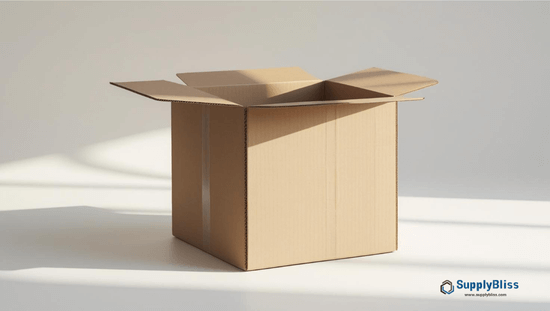
Replacing lightweight retail boxes with commercial multi-depth corrugated boxes solves most structural issues. When combined with industrial stretch wrap and premium bubble cushioning, the packaged solution resists compression, punctures, and shift during transit. Damage rates fall below 1%, and the solution typically pays for itself within the first three months.
Mistake 2: Oversized Boxes that Pay for Air
Used to be that shipping big boxes filled with small items cost you money based on weight. Now, with Dimensional Weight pricing, you pay for the space your box consumes in the vehicle, even if there are big voids in the box. It’s just extra air, which means extra cost.
The cost of void fill that pays for lost space in the shipping container means a double cost for materials, plus the cost of lost space in the shipping container. A void means more things can shift during transit, leading to an even greater risk of damage. You would think that the solution for having a big box size for all products as a one-size-fits-all would mean savings in shipping, but you’d be wrong. The solution is to be smarter with the management of the boxes.
When using multi-depth boxes, employees adjust box height by folding the top flap to closely match the box to the height of the item. Using this technique, the box height is optimized without using more multiple dimensions of boxes. Even without counting the reduction in void-fill and shipment costs, monthly carrier costs are estimated to decrease by 15-30%.
Mistake 3: Sealing Packages with Retail Grade Tape
A box sealed with cheap tape is a box that is waiting to fall apart and is not a secure shipment, and this is a major issue of e-commerce fulfillment, and perhaps the most ignored, although it is very easy to fix.
Cheap tape is often consumer-grade clear tape with a thin, water-based acrylic that is used to seal boxes, however, this tape will fail under the three most common shipping conditions. These conditions are dust, high humidity, and a cold delivery van that is at low temperatures for overnight shipping. If the tape fails, it is a lot worse than the flaps being separated from the box. Your shipment is now exposed to the elements, road grime, and theft.
You may think the most obvious thing to do would to be to tape it a lot more, with two or three layers to seal every seam. This idea is a bad solution, because it strengthens the box at a huge material cost, and will most likely greatly slow down the fulfillment process, while still leaving the box weak and wobbly.
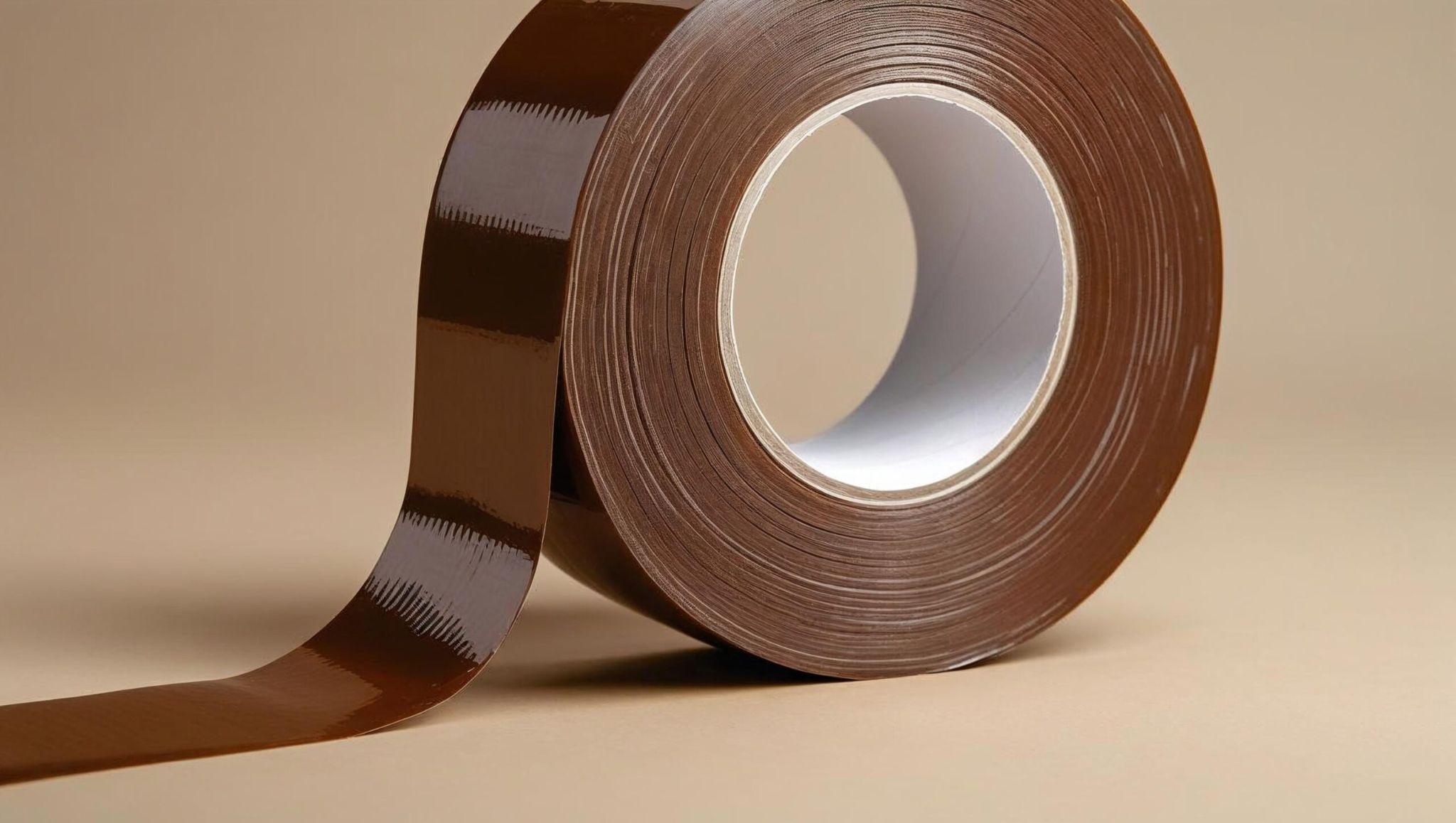
On the other hand, commercial-grade packing tape with a hot-melt or natural rubber adhesive sticks differently. It grips onto the cardboard fibers and keeps packages locked up regardless of the environment. With just one proper application, these tapes create such a solid bond that consumer packages remain secure.
Mistake 4: Treating Sustainable Packaging as an Expense
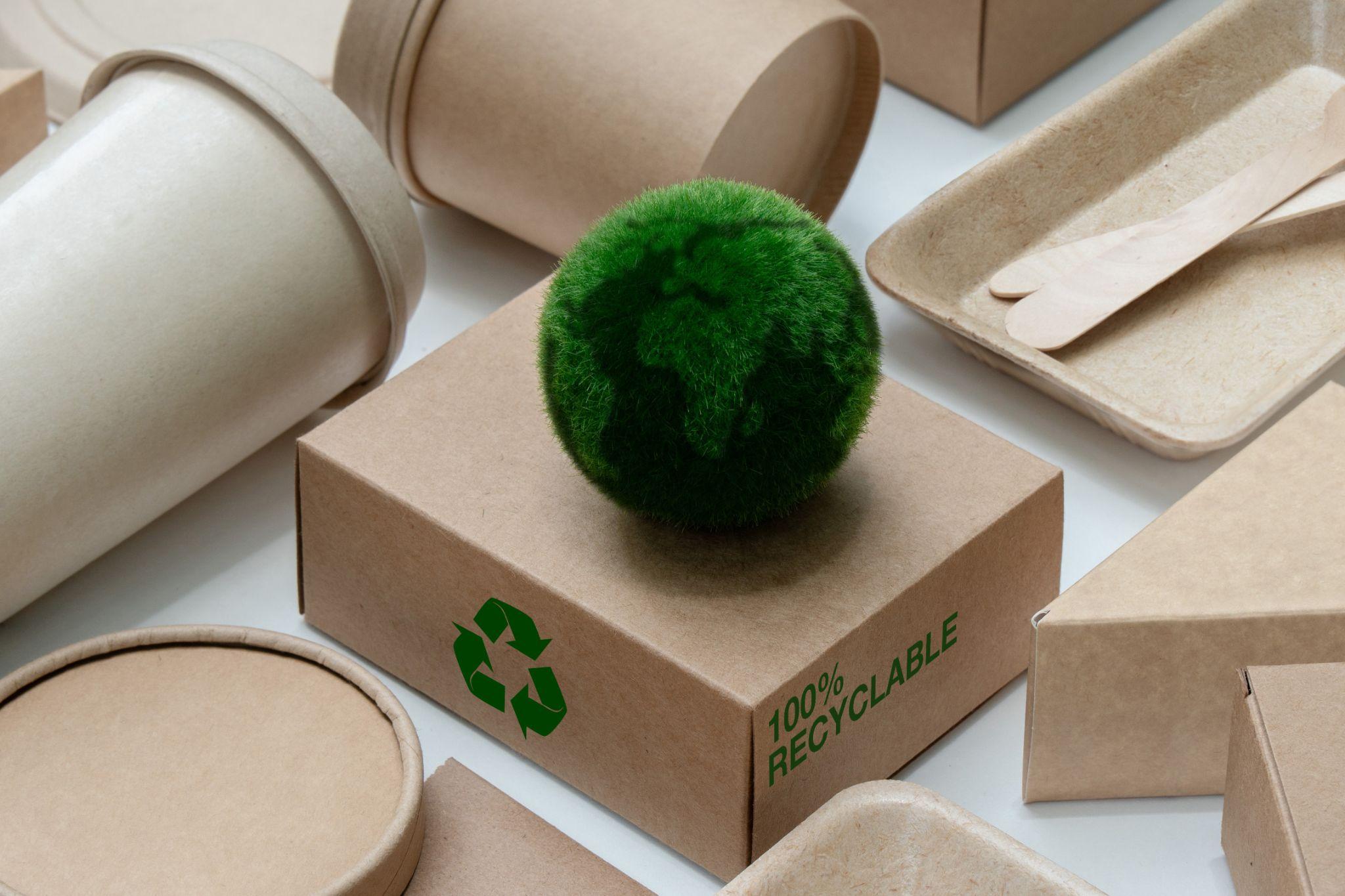
Thinking eco-friendly packaging is more expensive? That’s an old way of thinking. It actually uses less material, reducing costs and offering cheaper shipping. It positively impacts the planet and helps the bottom line. A win-win for the planet, your conscience, and your business.
Wasteful Packaging Systems
Using non-recyclable, plastic, oversized shipping boxes is not only bad for the environment, it is also a bad business decision. Oversized shipping boxes and an excessive amount of packing materials produce unnecessary costs. Each gram adds a cost while packaging that takes up unnecessary space adds a cost for DIM weight. Excess packaging materials that end up in landfills can even lead to a loss of sales from a younger customer base, who find it unappealing.
Sustainable packaging can solve all of these issues. Products and packaging materials that are perfectly sized and provide adequate protection during shipping can greatly reduce costs. Eco-conscious customers appreciate your company using sustainable packaging and sustainable packaging improves your business’s public image.
You’re making a huge shift to be more sustainable? We get it. There is a lot of incentive to go green these days and a lot of profit to be made.
Fix the Box, Protect the Margin
Miscalculating the box can really cost you. Most mistakes really cost you. The biggest mistakes are using the wrong box materials, using the wrong size boxes, taping the boxes wrong and thinking that you went green by ordering sustainable materials.
Each mistake is really easy to fix with the right info. You should use industrial-strength, corrugated material for boxes. Each box should be sized for the specific product, high-tack tape should be used, and the plastics should be replaced with recyclable materials.
If you are lost, working with a supply chain specialist helps a lot. They know how to source quality materials directly at great prices, which really matters when you are buying in bulk.
Frequently Asked Questions
What is the costliest mistake when packaging products for e-commerce?
Not using enough protective packaging, using oversized boxes, and using retail-grade packaging tape that tears during transit are the biggest mistakes. The biggest hits to the bottom line are using eco-friendly materials with the wrong mentality. Instead of thinking of sustainability as a cost, think of it as a way to increase your margins.
How does Dimensional Weight pricing impact the cost of shipping?
DIM pricing means the carrier looks at how much space your shipment takes, and not just the weight. If you are sending an item that is lightweight but is sent in a large box, you will pay for the space that your shipment consumes. But when an e-commerce business optimizes its packaging techniques, its costs will most likely reduce by around 15 to 30 percent on a monthly basis.
Does sustainable packaging cost more?
The cost of modern sustainable packaging should not be more than that of older sustainable packaging. Modern sustainable packaging should cost less to purchase and lower the cost of shipping, since it should be lighter. The cost of a packaging switch is recouped by the cost savings of less packaging and lower transportation costs.
What type of tape should e-commerce businesses use?
Industrial packing tape uses a hot-melt or a rubber tape. Industrial packing tape stands up to the demands of a dusty warehouse and a cold truck. The consumer-grade clear packing tape uses a water-based acrylic and fails under the same conditions. Industrial packing tape creates a strong seal that is more than ample for the demands of a warehouse, and it decreases the time taken to pack a shipment by 20%.
Which packaging materials best suit e-commerce?
Most products are best packaged in commercial-grade, multi-depth corrugated boxes along with industrial-grade bubble and stretch wrap. The key is lining up the cushioning type and board grade with the weight and fragility of the product being packaged. Using one type of cushioning for everything is as detrimental as using just one size box.
About the Author
James Holloway is Director of Supply Chain Operations at SupplyBliss, a Canadian packaging supplier serving e-commerce businesses across North America. Over a 14-year career in fulfillment consulting, James has audited packaging and shipping operations for more than 60 online retailers — from early-stage DTC brands to distributors processing over 10,000 orders per month. He specializes in dimensional weight optimization, damage-rate reduction, and sustainable packaging transitions. His work has helped clients reduce total fulfillment costs by an average of 22% within the first year of engagement. James is based in Toronto and can be reached via SupplyBliss.com.